

Your Chronic Bloating is Actually a Nervous System Issue
I looked 8 months pregnant after every meal for years. Here's what actually fixed it (ridiculously simple, and FREE!)


What’s the best way to relieve bloating? You may be surprised to learn. And most people get it wrong.
I saw this video on TikTok that sums it up well:
 Tiktok failed to load.
Enable 3rd party cookies or use another browser
The number one recommendation from the best in the field: diaphragmatic breathing.
While I’m not a gastroenterologist, I did study a master’s degree in nutrition and write my entire thesis on gut health. I then went on to write a book about it. So I’d say in the most humble way, I know a lot about gut health and specifically — bloating.
I struggled with severe bloating for many years. Me trying to find an example on Google Photos, iykyk lol.

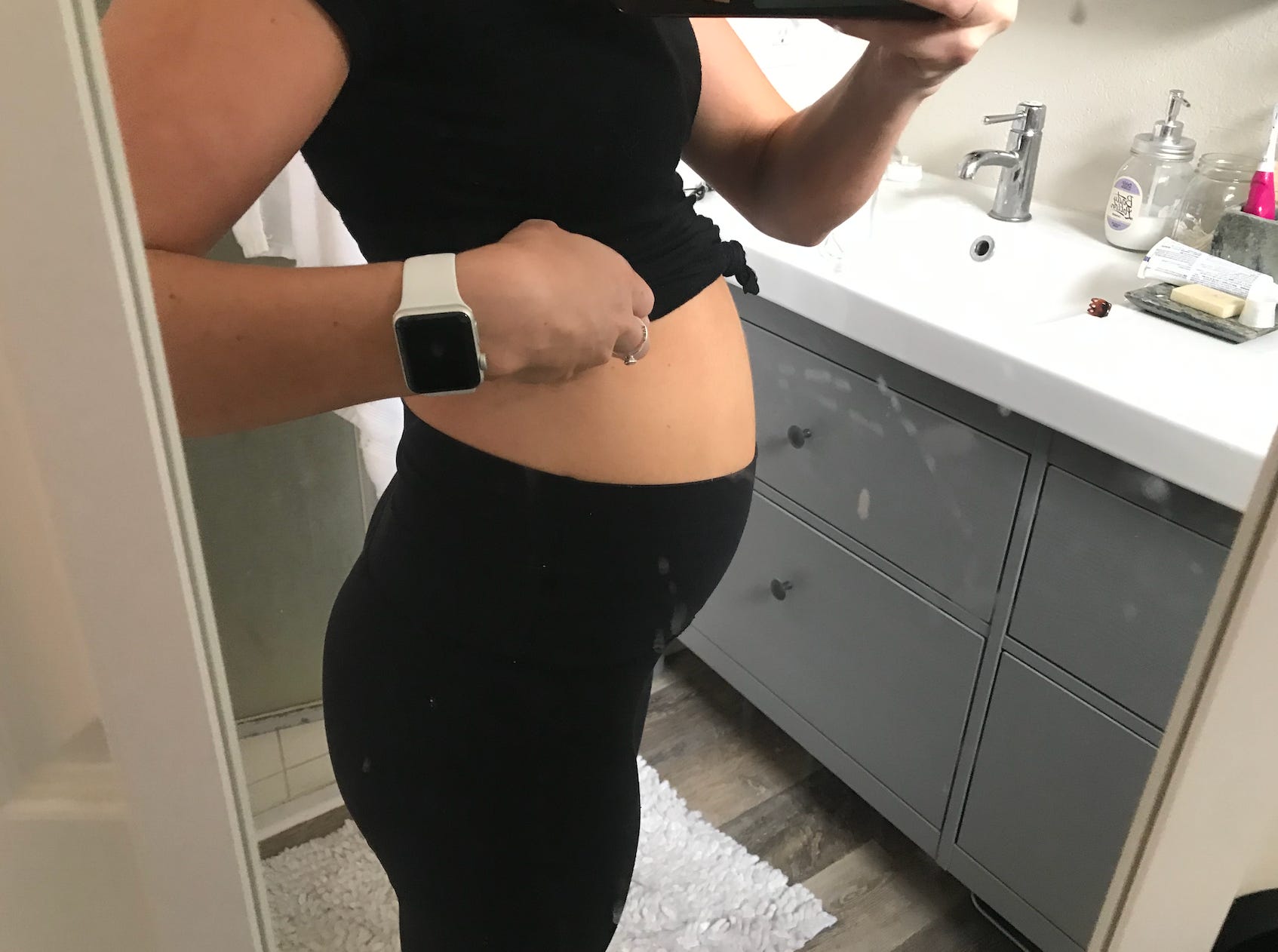
I nearly always looked (and felt) 8 months pregnant. I could drink a glass of water in the morning, and pow. Sudden bowling ball in my stomach.
As I tend to do, I researched the F out of it. I did a master’s degree all about it. I wanted to understand why me — a seemingly healthy person — was struggling so badly with bloating.
I mean, I was vegan. I worked out seven days a week. I slept well. I didn’t have any health issues. I barely drank alcohol. There was no REASON why I should struggle so badly with bloating.
I went to doctors and they regurgitated the same tired reasoning: might be a food intolerance, might be stress, might be whoeverthefuckknows.
I was left feeling so powerless and helpless. That was until I went down my rabbit hole.
Here’s what I look like now, after three meals today (and two kids!):

Not sharing this to flex. And no, I didn’t just lose weight. I actually weigh the same! The difference is that I’m not struggling with chronic bloating anymore.
Today I’m going to share what I learned in my rabbit hole about bloating, and why the solution may just be diaphragmatic breathing.
What actually is bloating?
Bloating is one of those things everyone experiences but nobody can quite agree on a definition for. Clinically, it refers to the sensation of increased pressure or fullness in the abdomen — that tight, uncomfortable, “why do I look six months pregnant after a salad” feeling.
It’s distinct from distension, which is the actual physical swelling of the abdomen, though the two often occur together.
Bloating affects an estimated 18% of people worldwide (probably a way higher number but not everyone goes to the doctor for it) — but it’s actually one of the most common reasons people visit a gastroenterologist.
It can be caused by a whole range of things: excess gas production, impaired gas transit through the gut, altered gut motility, food intolerances, constipation, small intestinal bacterial overgrowth (SIBO), and — and this is the part most people miss entirely — the nervous system. Which we’ll come to, so stay with me 🙂
The gas itself usually comes from fermentation. When food reaches your large intestine, gut bacteria ferment it and produce gas as a byproduct. Sounds weird but it’s completely normal.
The problem isn’t always the amount of gas being produced — it’s how your gut handles it. Some people’s guts move gas through efficiently. Others trap it, retain it, and experience significant discomfort from what is objectively a normal amount of gas production.
Why? The reason for most weird things that happen in the body: Your nervous system!
Why bloating is linked to the nervous system
At the time I was struggling most with bloating, I was vegan, working out seven days a week, and seemingly doing everything right.
But what nobody could see — including me 🤪 — was that I actually just a deeply disordered and dysfunctional relationship with food.
I had struggled with bulimia for years. By this point I had beaten it, but I had replaced one disordered pattern with another. I was fersureeeee orthorexic — not formally diagnosed, but looking back, unambiguously so.
Every meal was a calculation. Every ingredient was evaluated. I was vegan partly for ethical reasons ofc but partly because it gave me a framework to control what I ate without it feeling like restriction.
I was hypervigilant about food in a way that felt like health consciousness but was actually anxiety masquerading as wellness.
[btw, this is a huge reason why I created my substack. I wanted to share all the wellness BS so that people can improve their health without making it an anxiety-inducing endeavor.]

What this meant in practice: I ate every single meal in a state of sympathetic nervous system activation. Fight-or-flight. I was anxious before eating, anxious while eating, anxious after eating. Worried about what it would do to my body. Fixated on how it would make me look. Constant body checks in the mirror. Am I bloated? Am I fat? How do I look? Cycling between guilt, control, and obsession.
And here’s what the science says about that…
I have an amazing $29 guide with my exact protocols for nervous system regulation, def get it if you are struggling or want to optimize!
It’s here.
The science of bloating
Your digestive system is governed by what’s called the enteric nervous system — the “second brain” — a network of around 500 million neurons lining your gut that communicates bidirectionally with your brain via the vagus nerve.

Research confirms that information from the gut reaches brain regions involved in emotion, affect, and cognition. And critically, it works both ways — your emotional state directly influences how your gut functions.
When you’re in sympathetic dominance — stressed, anxious, hypervigilant — your body diverts blood flow away from your digestive organs toward your muscles and brain. A couple things happen:
Gut sensitivity increases
The brain begins interpreting normal gut activity as painful or uncomfortable
A 2023 Cell paper confirmed that the enteric nervous system directly relays psychological stress to intestinal inflammation. The gut becomes, essentially, a stress barometer.
This is the ✨psychosomatic ✨dimension of bloating, and it is vastly underappreciated. Psychosomatic meaning physical symptoms or illnesses caused, triggered, or worsened by emotional stress or mental state.
When I wrote my thesis on gut health, I was truly shocked by some of the stats about IBS and anxiety.
Up to 39% of IBS patients have anxiety symptoms and 29% have depression — three times higher than the general population. 23% of people with GI disease had disordered eating habits, which is higher than the 10% prevalence. About 15-25% of adults with IBS are more likely to engage in disordered eating behaviors versus 3% of the general population.
I could go on. It’s a super negative and self-perpetuating cycle between disordered eating, poor mental health, and IBS. And bloating is one of IBS’s most defining features.
You need to understand: The gut and the mind are not separate systems having separate problems. They are one system having one problem expressed in multiple places simultaneously.
The vegan and orthorexia piece
It’s not all about psychosomatics.
A whole food vegan diet — the type I was eating when I was struggling with chronic bloating — is extremely high in fiber. While fiber is ofc important for gut health, it is also one of the most potent drivers of gas production.
You know what they say about beans. The more you eat, the more you toot. Beans, lentils, cruciferous vegetables, onions, garlic — all high FODMAP, all heavily fermented by gut bacteria, all producing significant gas.
Research published in Gut confirmed that a high fiber diet retards intestinal gas transit — not only producing more gas but actively slowing how quickly it moves through. 15–20% of people on high fiber diets experience pronounced gaseous symptoms including bloating and distension.
The orthorexia layer compounded this in a specific way.
When your entire mental focus is on what you’re eating and how it’s affecting you, you eat differently. You eat tensely. You eat fast or you eat slow and deliberate but either way you’re in your head not your body. You chew inadequately or you chew obsessively. You don’t relax into a meal — you surveil it. And a nervous system that can’t relax around food cannot digest food properly. It’s not metaphorical. It’s physiological.
Overall, my bloating wasn’t JUST a fiber problem or JUST a food intolerance problem. It was a nervous system problem.
Why diaphragmatic breathing is so powerful for bloating
Here’s where the gastroenterologists’ TikTok recommendation starts to make complete biological sense.
Diaphragmatic breathing — breathing deeply into the belly so that your diaphragm descends on the inhale and your abdomen moves outward — is one of the most direct activators of the parasympathetic nervous system we have.
The mechanism: slow, deep breathing stimulates the vagus nerve via the baroreflex and vagal afferent pathways, shifting the ANS from sympathetic to parasympathetic dominance. The same shift that turns digestion back on.
But for bloating specifically, there’s an additional physical mechanism that makes diaphragmatic breathing particularly powerful.
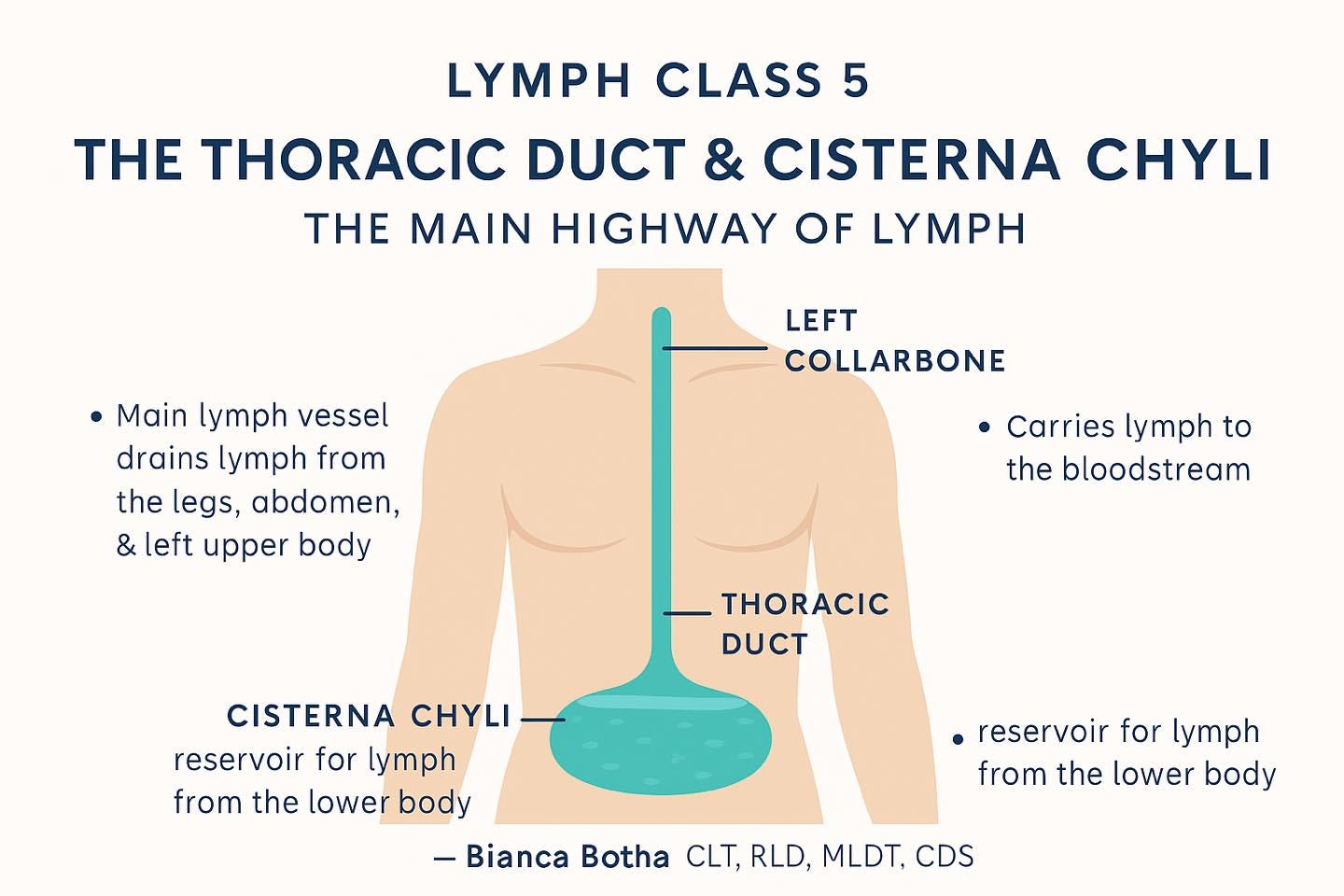
There’s a reservoir of lymphatic and intestinal fluid in the abdomen called the cisterna chyli, and a large section of intestinal gas can become trapped due to what researchers call diaphragmatic blockade — essentially the diaphragm tensing and preventing normal abdominal movement, which traps gas and causes visible distension.
A randomized controlled trial published in Gastroenterology found that teaching patients to relax and mobilize the diaphragm through specific breathing techniques directly reduced abdominal distension by correcting this mechanism. The diaphragm was literally trapping the gas. Learning to relax it released it.
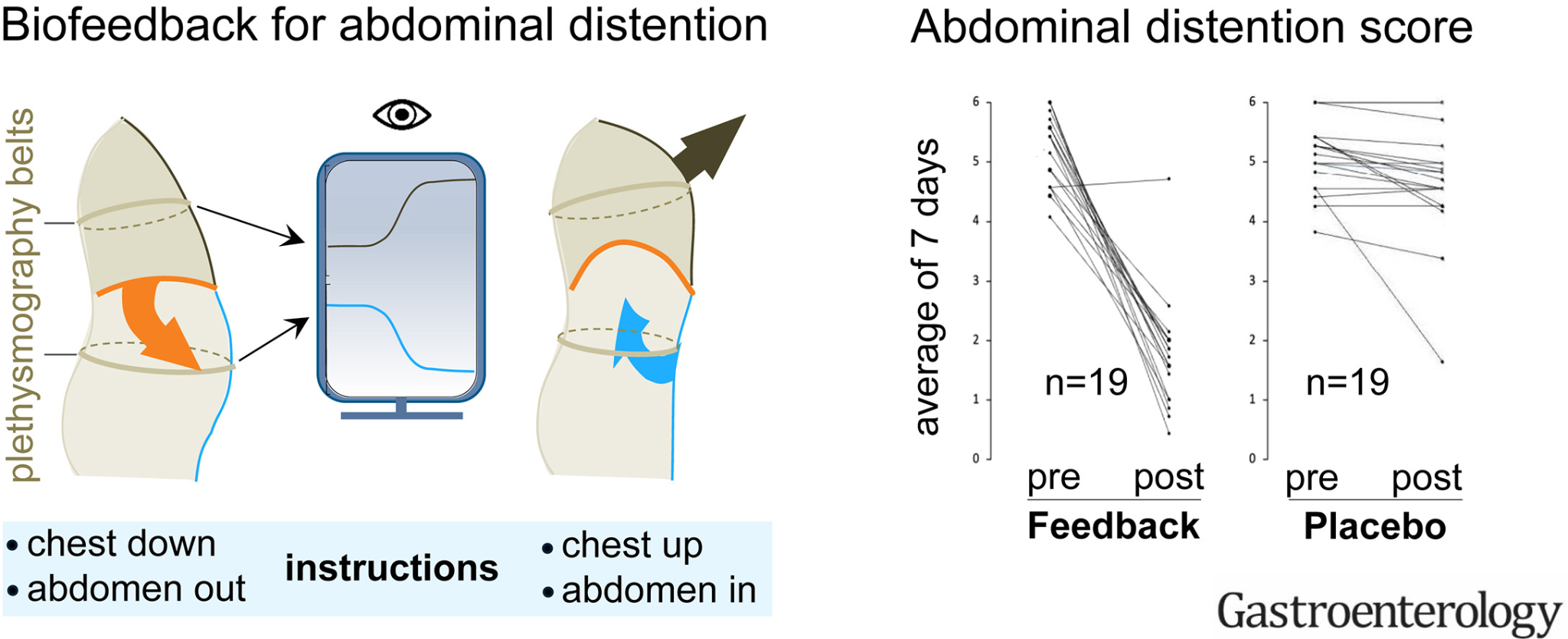
And the clinical data on diaphragmatic breathing for bloating is now compelling.
A 2025 randomized controlled trial found that just 3 minutes of diaphragmatic breathing three times daily for 6 weeks significantly reduced bloating scores, with medium to large effect sizes. MAJOR!
A separate 2025 study in IBS patients found each additional breathing exercise was independently associated with a 0.27 point improvement in bloating score, a 0.27 reduction in abdominal pain, and a 0.25 reduction in gas-related discomfort. MAJOR, AGAIN!
These are not small effects for something that costs nothing and takes three minutes.
The mechanism is tripartite:
breathing activates the parasympathetic nervous system and turns digestion back on
it physically relaxes the diaphragm and releases trapped gas; and
it breaks the anxiety-gut feedback loop by calming the nervous system before, during, and after eating.
Chronic bloating? Here’s what to do
Before you eat: Diaphragmatic breathing: breathe in through your nose for 4 counts, allowing your belly — not your chest — to expand outward. Breathe out slowly for 6–8 counts. The extended exhale is what activates the parasympathetic response. Repeat for a minimum of 3–5 minutes.
During eating: ENJOY YOUR FOOD! FOOD IS NOURISHMENT! FOOD KEEPS US ALIVE! FOOD IS YOUR LIFEFORCE! YES I’M SHOUTING! WHY DOES EVERYONE WANT TO RESTRICT ALL TIME?! Anyway, sorry: breathe between bites. Eat slowly. Chew thoroughly — digestion starts in the mouth with salivary amylase, and inadequately chewed food is harder for the gut to process and more available for bacterial fermentation (read: more gas).
Eating slowly gives your digestive enzymes time to work, reduces the amount of air you swallow, reduces the fermentable load reaching the large intestine, and — this is the bit I love — activates the cephalic phase of digestion, the anticipatory digestive response triggered by seeing, smelling, and tasting food.
My mom always used to tell me to smile when I eat. I thought it was weird, until I understood the science. Your food is your lifeforce, enjoy it nourishing every cell in your body. And it will.
After eating: don’t think about the food in your body, don’t stress about what you ate, don’t engage in constant body checks. If you feel bloated, 3–5 minutes of diaphragmatic breathing lying down or sitting quietly will often provide measurable relief within minutes by relaxing the diaphragm and encouraging gas transit.
Interrogate your relationship with food honestly. I say this with deep compassion because I lived it: if you are hypervigilant about food, if every meal involves anxiety or guilt or mental calculation, if you think about food more than feels healthy — that vigilance is showing up in your gut. And yoour gut is not separate from your mind.
Try eating without screens for one week. Just one week. See what happens. Distracted eating is eaten in partial sympathetic activation almost by definition — you are multitasking, which means your brain is not fully present in the meal, which means the cephalic phase of digestion is impaired and the parasympathetic state required for optimal digestion is compromised.
Bloating SUCKS trust me I get it. You have some control over it.
If you try these tips for a week or so to no avail, ask your doctor (ideally functional medical doc!) for a SIBO test. It may be the case.
Thanks for reading frenz! Hope you enjoyed. Drop questions below.
If you liked this, check out:
Thank you for this information. Super! For me it answers some serious questions around the mystica of bloating. 🙌🏼
Great read! So much valuable (&cheep! We need to tune into our body's resources eg breathing etc more) advice. Does any woman in this modern day have a healthy relationship with food?!?!? So many things/illnesses appear in our bodies because of mind games. As I am slowing down in life I am taking more control of it all. Thank you for being vulnerable and sharing your entire story. I could relate by having a similar history. 🙏🏻💟🌱