

Wellness Things That Are Not BS: Nutrient Timing
It's not just WHAT you eat — why timing your meals changes everything.


When I first started getting weirdly into fitness, I spent my days trawling through online fitness forums like bodybuilding.com (IYKYK). It was 2016, and I was sitting at my desk in a corporate skyscraper in London. I came across nutrient timing, and took a dive.
What I learned — according to many gym bros — is that eating a couple of gummy bears before a big session enhanced performance. Basically sweet treat = sweet gains.
When I quit my corporate hellhole of a job and went back to uni to study a master’s degree in nutrition, I learned why this gym bro anecdote was actually well-founded in science. In the world of exercise physiology, it’s called nutrient timing. And it comes down to this premise:
Your body performs better when you give it the right nutrients at the right time.
It’s true: If you eat strategically around your workouts, your physiology quite literally works better. It’s not just if you want really big muscles 😠💪, it’s also helpful if you want to lose weight, enhance performance, aid recovery, and control cravings.
Today, we’re talking all about nutrient timing. Let’s go.
I. Nutrient timing 101
What is nutrient timing?
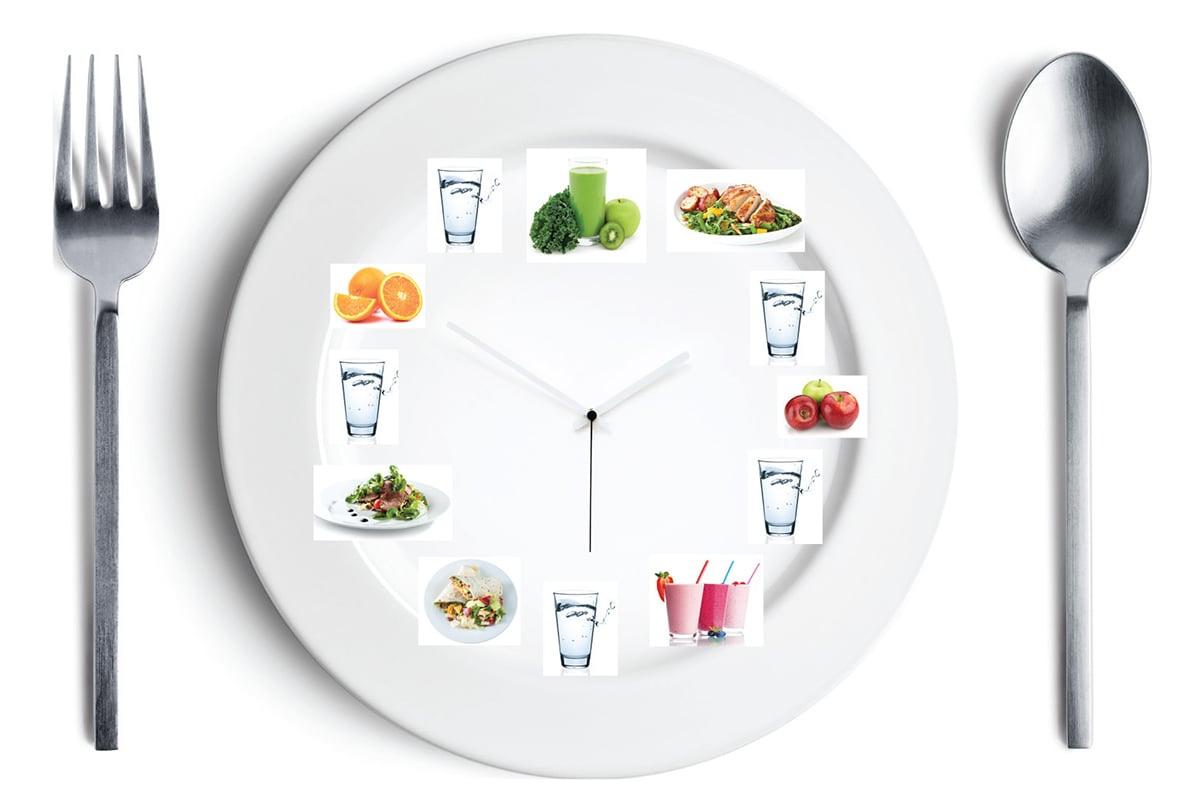
At its core, nutrient timing is the practice of eating strategically. It’s about adjusting your food intake in line with your body’s demands — whether related to exercise (most commonly), your menstrual cycle, or your general lifestyle and health-related goals.
The term first came onto the scene in the early 2000s, mostly through sports nutrition researchers like Dr. John Ivy and Dr. Robert Portman. Their work popularized the idea that when you eat can meaningfully influence performance, recovery, and body composition — not just what you eat. (If It Fits Your Macro bros I’m talking to youuuuu!)
Researchers from a 2020 review called nutrient timing “a garage door of opportunity.” Not entirely sure what that means, but I’m guessing it’s because a garage door is bigger than a standard door. Nonetheless, the concept tracks. Nutrient timing isn’t a tiny window you have to squeeze through; it’s a broad, simple, and flexible opportunity to support performance and recovery if you understand how to use it.
It’s not a confusing diet regimen; it’s painfully easy to do. And is associated with really interesting and appealing outcomes.
The truth is: Certain nutrients work better at certain times because your muscles, hormones, and nervous system go through predictable shifts around exercise:
Before a workout, your body wants quick energy.
During intense or long sessions, it needs fuel to sustain effort.
After training, your muscles become more sensitive to protein and carbohydrates, making it an ideal moment for repair and replenishment.
In other words, nutrient timing is simply working with your biology instead of ignoring it.
But it’s not just for people who exercise. Nutrient timing is useful to anyone wanting to optimize their digestion, limit their total food intake without feeling hungry all the time, and stabilize their energy levels.
How does nutrient timing work?
